Bathroom Renovation: How to Plan Your Plumbing and Avoid Costly Surprises
June 15th, 2026
Bathroom renovation is one of the most popular home improvement projects, and one of the most likely to go over budget. The culprit, more often than not, is the plumbing.
Pipes in worse condition than expected, a fixture relocation that turns out to be far more involved than it looked, a ventilation gap caught too late: these situations are common on renovation sites. They’re rarely bad luck. They’re almost always the result of incomplete planning before work began.
This guide helps you think through the plumbing side of a bathroom renovation before the walls are opened, understand what drives the costs, and ask the right questions at the right time.
Key Facts About Bathroom Plumbing Renovations
- Inspecting your existing plumbing before anything else is non-negotiable.
- Moving a fixture significantly increases both cost and complexity.
- Waterproofing and ventilation are just as critical as the visible plumbing.
- Certain plumbing work in Quebec requires a permit and a licensed contractor.
- Budgeting a 15 to 20 percent contingency for unexpected discoveries is the most prudent approach.
Bathroom Plumbing Inspection: What to Check Before Renovating
Before you pick a tile or choose a faucet, you need to know what you’re working with. Homes built before the 1980s often have copper or galvanized steel pipes that may still be functional but could present problems once the walls are opened.
A licensed plumber can assess pipe condition, check water pressure, and flag issues before you’ve committed to a layout or a budget. That kind of pre-renovation visit costs a few hundred dollars and can easily save several thousand.
If you have slow drains or a history of backups, a camera inspection is worth considering. It shows the actual condition of the drain lines without opening anything up, which is especially useful in older homes.
Moving Bathroom Plumbing: How It Affects Cost and Complexity
The advice you’ll hear most consistently from experienced contractors is to keep fixtures where they are if you can. Every relocation means modifying pipes hidden in the floor or walls, which means more labor hours and more cost.
Moving a toilet is a good example. It involves rerouting the waste line in the floor, and in a two-story home, that often means work in the ceiling of the room below. Depending on access and distance, the cost can run from $500 to over $2,000 for that one change alone.
That doesn’t mean relocations are never worth doing. But it does mean you want to plan them with a plumber at the design stage, not discover the complexity after the demo is done.
Clearance requirements around bathroom fixtures should also be verified during the design stage. A poorly positioned toilet, vanity, or shower can make the bathroom less functional and complicate the plumbing installation. These constraints affect the layout directly and should be factored in from the start.
Rough Plumbing for Bathroom Renovations: What to Plan Before Closing the Walls
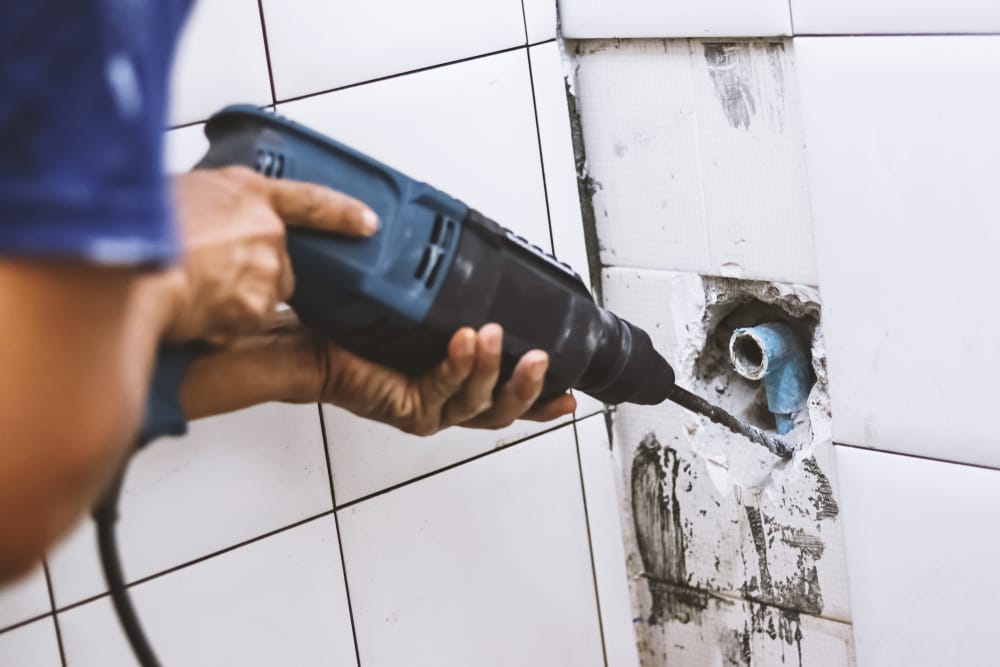
Rough plumbing is everything hidden inside the walls and under the floor before the finish surfaces go on. It has to be completed before tile, drywall, or cabinetry, and once the walls close up, correcting anything becomes expensive and disruptive.
The main items to account for: modifications to hot and cold supply lines if you’re changing fixture locations; updates to drain and waste lines, which must be correctly sized and sloped to prevent future backups; and replacement of any aging pipes while the walls are already open, which is far more cost-effective than doing it in a finished space later.
Getting the rough plumbing right the first time is the single most important factor in whether a bathroom renovation runs smoothly. Common plumbing mistakes on renovation projects tend to be the same ones again and again, and most are avoidable with proper upfront planning.
Plumbing Cost Reference by Scope of Work
| Scope of work | Description | Approximate cost range |
| Pre-renovation inspection | Pipe condition assessment, pressure check | $150 to $400 |
| Faucet or valve replacement | Labor included | $150 to $400 |
| Full shower installation | Drain, faucet, showerhead | $800 to $2,500 |
| Toilet relocation | Floor drain modification | $500 to $2,000+ |
| Full rough plumbing overhaul | Standard bathroom | $2,000 to $6,000 |
| Exhaust fan installation or upgrade | Including duct to exterior | $300 to $800 |
These figures are approximate. Actual costs depend on existing conditions and the specific choices you make. A professional assessment before you start gives you a more accurate picture.
The plumbing services available for residential renovations include pre-project evaluations for exactly this kind of planning.
Why Bathroom Waterproofing Matters Before Installing Tile
Waterproofing is one of the most critical steps in any bathroom renovation, and one of the most frequently done too quickly. A properly installed moisture barrier behind the shower and tub surround stops water from penetrating the wall structure. Without it, mold develops inside the walls, materials deteriorate, and the resulting repairs are usually far more costly than the renovation itself.
The frustrating part is that waterproofing failures take years to become visible. By the time the problem shows on the surface, the damage behind the tile is already extensive. Doing it properly the first time is always the better outcome.
Bathroom Ventilation: What to Plan Before Renovating
Ventilation is the item that gets the least attention in bathroom renovation planning and one of the more common sources of problems afterward. Quebec building code requires a mechanical exhaust fan in any bathroom without an openable window, with a minimum airflow rating based on the room’s square footage.
A fan that’s too weak or poorly installed lets moisture build up, which lifts tile adhesive, cracks grout joints, and degrades cabinetry over time. The most common installation error is routing the exhaust duct into the attic rather than directly outside. That traps moisture in the structure and causes significant long-term damage.
Do You Need a Permit for Bathroom Plumbing Work in Quebec?
In many cases, modifications to water supply or drain lines, as well as the installation of new fixtures, may require a building permit and should be completed by a properly licensed plumbing contractor. Cosmetic updates like painting or replacing a faucet in place generally don’t require a permit.
Skipping this step carries real consequences: insurance claim denials for water damage, fines, and complications when selling the property. It’s paperwork that protects you as much as it regulates the work.
The team at Lalonde Plumbing handles residential renovation projects of all sizes, from single fixture replacements to full plumbing overhauls, with all work carried out to code.
When to Call a Plumber for a Bathroom Renovation
The best time to involve a plumber in your bathroom renovation is before the final design is locked in. Their input can catch technical issues early, validate your layout options, and help you avoid choices that look good on paper but create problems during construction.
A preliminary consultation takes a few hours and can save thousands in corrections down the road. If your design is already set and you’re looking for an estimate, that’s also the right time for a professional visit.
To talk through your project and get an assessment of your current setup, reach out through the contact page.
For guidance on keeping your plumbing in good shape after the renovation is complete, 5 common plumbing problems and how to fix them covers the issues homeowners most frequently run into.
Frequently Asked Questions About Bathroom Renovation Plumbing
How much does plumbing cost in a bathroom renovation?
Plumbing typically makes up 20 to 30 percent of the total cost of a full bathroom renovation. For a standard-sized bathroom, the plumbing work alone can range from $2,000 to $8,000, depending on the condition of the existing installation and the scope of the changes you want to make.
Can I move the toilet during a bathroom renovation?
Yes, but it’s one of the more expensive changes to make. The toilet waste line runs through the floor and must maintain a specific slope, so even a short relocation involves real labor. Costs typically run from $500 to over $2,000. Worth confirming with a plumber before committing to the layout.
How long does the plumbing take in a bathroom renovation?
Rough plumbing, the pipes inside walls and the floor, generally takes one to three days for a standard bathroom.Once the finishing touches are complete, it takes another four to eight hours to permanently connect the components.These timelines vary with the complexity of the project.
Can I keep my existing pipes and just install new fixtures?
Often yes. If the pipes are in good condition, correctly sized, and code-compliant, they don’t need to be replaced. A plumber can confirm this quickly during a pre-renovation inspection.
Why does my renovated bathroom smell musty?
A musty smell after a renovation usually points to inadequate ventilation. Check that the exhaust fan works correctly and that the duct leads directly outside, not into the attic. If the problem persists, moisture infiltrating behind the tiles is worth having investigated sooner rather than later.