Rainwater Harvesting for Gardens: Rules and Systems
May 7th, 2026
Water conservation is becoming a major priority for homeowners across North America. Creating a lush outdoor space requires a significant amount of hydration, especially during the dry summer months. Capturing precipitation provides a highly effective method to maintain your landscape while reducing your reliance on municipal water supplies. By directing the flow from your roof into proper storage for future use, you can lower your utility bills and protect local waterways from excessive runoff. This guide will walk you through the best practices for setting up an efficient and compliant system.
Key Points About Rainwater Harvesting
- Rainwater harvesting for gardens: Lowers monthly utility bills and conserves natural resources.
- Water collection systems: Options range from simple barrels to complex underground cisterns for any budget.
- Landscaping rules: Local regulations often dictate how you can collect and store precipitation safely.
- Eco-friendly outdoor plumbing: Using untreated resources promotes better plant and soil health.
- Pipe installation: A professional setup ensures proper function alongside your existing plumbing network.
Understanding the Basics of Precipitation Collection
This process involves directing the flow from your roof gutters into a secure storage container. This practice dates back centuries but has evolved with modern technology to become safer and much more efficient. The water you gather is naturally soft. This means it lacks the calcium and magnesium that can sometimes build up in the soil and harm fragile roots. It is also completely free of chlorine and fluoride, making it exceptionally healthy for your plants, flowers, and vegetable gardens.
Why You Should Consider It for Your Landscaping
Using this untreated resource for your yard presents clear environmental and financial benefits. When you rely less on the municipal network, you directly reduce the energy required by local facilities to treat and pump water to your neighborhood. This practice fits perfectly into a sustainable and responsible lifestyle. For instance, pairing your new collection system with a decision to choose low-flow faucets for an eco-friendly garden can maximize your conservation efforts. This approach keeps your yard thriving while minimizing unnecessary waste.
Popular Systems for Your Home
Selecting the right equipment depends on the size of your yard, your overall budget, and your typical watering needs. There are several ways to approach this project, ranging from simple do-it-yourself solutions to highly advanced integrated networks. If you plan to implement a complex setup, exploring professional plumbing services can guarantee that the integration into your home infrastructure is seamless and compliant with local building codes.
Utilizing Classic Rain Barrels
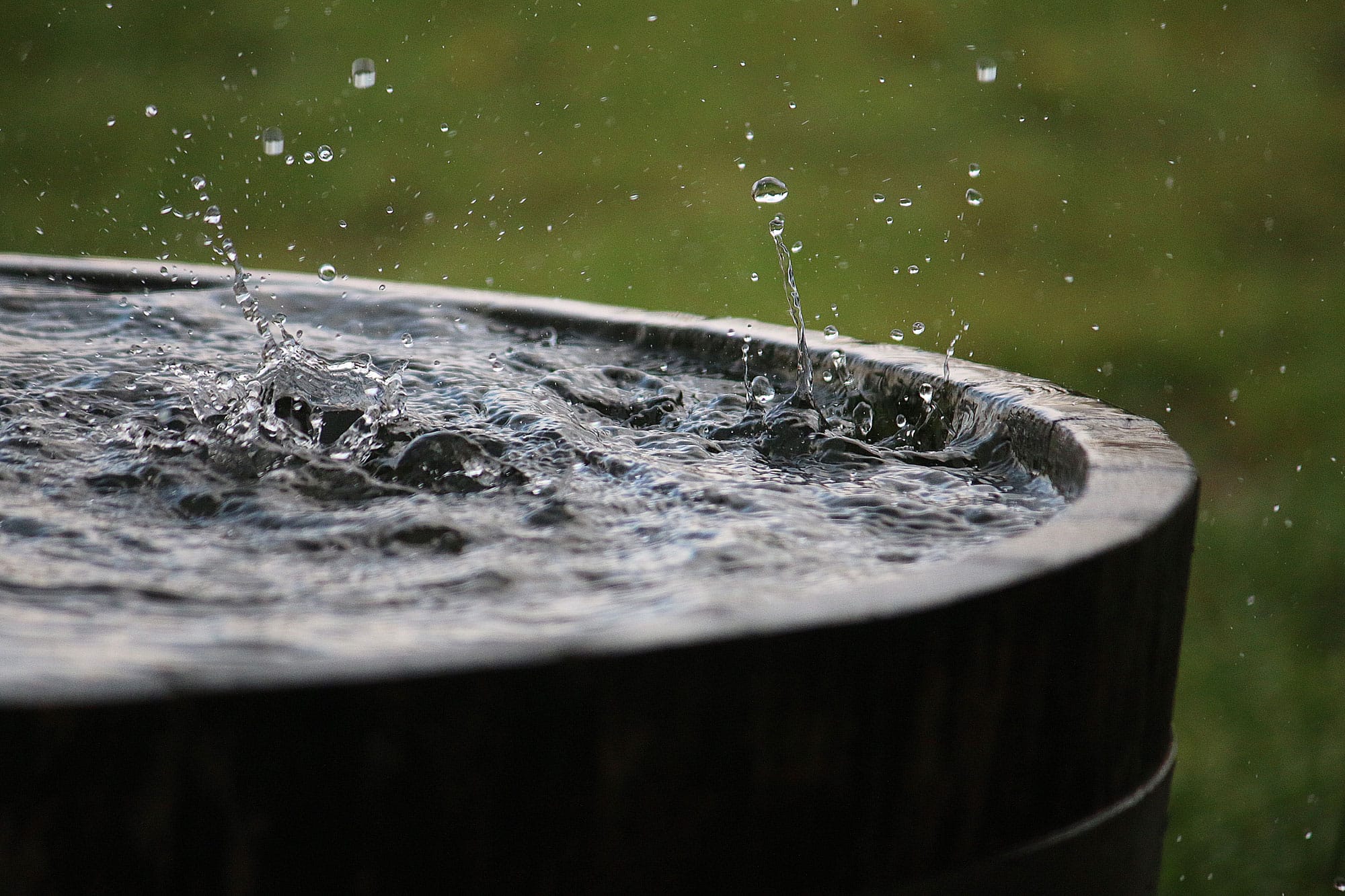
The most common and accessible option for residential properties is the classic rain barrel. These containers typically hold between fifty and ninety gallons of liquid. You place them directly beneath a gutter downspout, and gravity does the rest of the work for you. They usually feature a spigot at the base where you can attach a standard garden hose to water your flower beds. To prevent debris and insects from entering the container, a fine mesh screen must be placed firmly over the entry point.
The Benefits of Underground Cisterns
For homeowners with extensive landscaping requirements, underground cisterns provide a highly appealing, large-capacity solution. These massive tanks can hold thousands of gallons and are buried beneath the yard to save space and maintain the aesthetic appeal of your property. Because they are located below ground, they require a specialized pump to distribute the water back up to the surface. When dealing with outdoor components in colder regions, it is absolutely critical to know how to insulate your outdoor pipes against freezing so your investment remains protected during harsh winter temperatures.
Essential Rules and Regulations in North America
Before you purchase any collection equipment, you must verify the local bylaws regarding precipitation management on residential lots. While the vast majority of municipalities strongly encourage this eco-friendly practice, some regions have strict rules about the exact volume you can store. They may also dictate the specific methods you use to capture and distribute this resource.
Certain areas require specific overflow mechanisms. This ensures that excess water is directed away from the foundation of your home and neighboring properties to prevent flooding issues. Additionally, standing water can quickly become a breeding ground for mosquitoes if it is not properly sealed. Most health departments mandate that all storage containers feature secure lids and appropriate screening at all times.
Conclusion
Adopting a precipitation collection system is a brilliant step toward sustainable living and responsible property management. You will enjoy a vibrant yard while significantly cutting down on your monthly utility expenses. Whether you choose a simple above-ground container or a large-capacity underground tank, proper planning and adherence to local guidelines are essential for your success. The team at Plomberie Lalonde is always available to guide you through your projects. If you need assistance planning the logistics of your installation, do not hesitate to reach out to our contact team to discuss your needs with an expert.
Frequently Asked Questions about Rainwater Harvesting for Gardens (FAQ)
What is rainwater harvesting for gardens?
It is the process of collecting runoff from a roof or other large surface and storing it to irrigate landscaping, plants, and vegetables.
Is it legal to collect precipitation everywhere in North America?
While highly encouraged in most municipalities, local bylaws may restrict the size of the container or require specific overflow routing. Always check your city regulations before installation.
How do I keep mosquitoes out of my rainwater harvesting system?
You must use a fine mesh screen over the intake opening and ensure the container has a tightly sealed lid to prevent insects from laying eggs.
Can I drink the water I collect from my roof?
No. The runoff from your roof can contain bird droppings, dust, and chemicals from roofing materials. It should only be used for outdoor irrigation.