Restaurant Grease Trap Filling Up Too Quickly: What Could Be Causing It?
October 5th, 2026
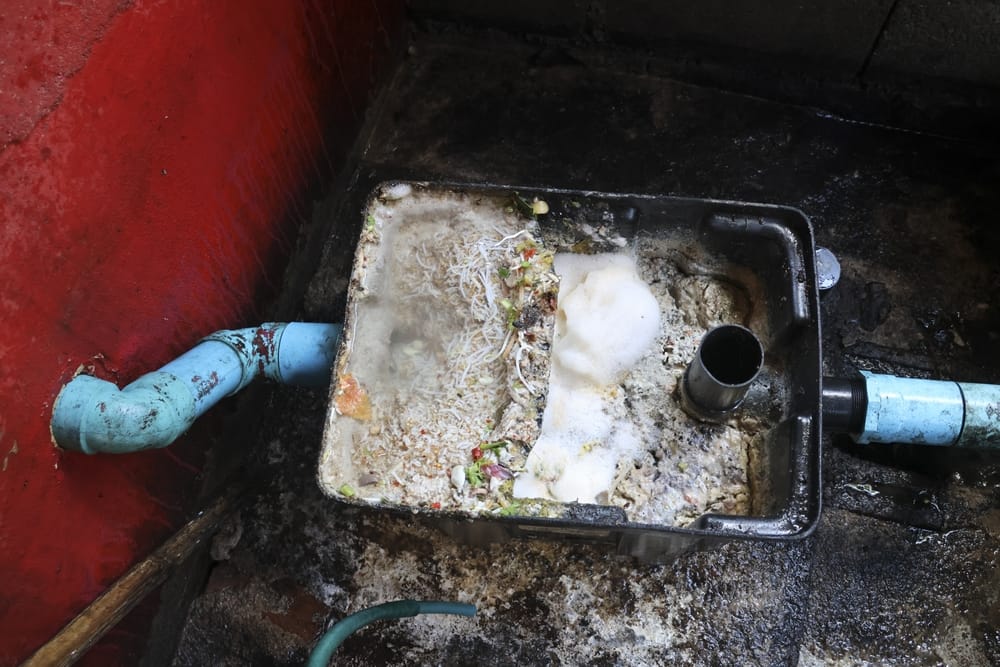
A restaurant grease trap, often referred to as a grease interceptor in technical guidance, captures some of the fats, oils, grease, and food solids in wastewater before they reach the drainage system. When the trap appears to fill much faster than usual, it does not automatically mean the unit is too small. The cause may be increased grease production, food solids, incomplete pumping, excessive flow, or a problem with the interceptor itself.
For a restaurant, cafeteria, or commercial kitchen in Gatineau and the Outaouais, a grease trap that fills quickly may be accompanied by odors, slow drains, or recurring blockages. Before simply scheduling more frequent pumping, it is better to identify what has changed in the kitchen and how the interceptor is operating. That makes it possible to address the cause instead of only managing the symptom.
In this article, “filling up” refers to the buildup of grease and solids that reduces the interceptor’s usable capacity, not simply to the water level inside the unit.
Key Reasons a Restaurant Grease Trap May Fill Too Quickly
When a grease trap needs service more often than before, several conditions may be responsible. These are the most useful areas to check first.
- Higher meal volume or a menu that produces more fats, oils, and grease can increase accumulation.
- Food scraps and other solids can settle in the interceptor and reduce usable capacity.
- Incomplete pumping can leave material behind, reducing the trap’s usable capacity immediately after service.
- An interceptor that is not properly sized for current kitchen use may reach capacity too soon.
- Damaged or obstructed internal components can interfere with separation inside the trap.
- Pouring cooking oil, greasy sauces, or concentrated fats into sinks adds an unnecessary load.
More than one issue can occur at the same time. A busier kitchen may produce more grease while also sending more food solids into the plumbing.
How Does a Restaurant Grease Trap Work?
A grease interceptor slows the flow of wastewater from fixtures that receive fats, oils, grease, and food residue. Lighter grease rises toward the surface, while heavier solids settle toward the bottom. The remaining wastewater then exits through the outlet.
In Quebec, grease interceptor installations must comply with the requirements applicable to the building and connected fixtures. For guidance specific to an installation, consult the Régie du bâtiment du Québec or have the system reviewed by a qualified plumbing contractor.
Plomberie Lalonde’s plumbing services in Gatineau include grease trap emptying and cleaning.
Can Higher Restaurant Volume Make a Grease Trap Fill Faster?
Yes. If a restaurant begins serving more customers, adds another meal period, or changes its menu, the amount of grease and solids entering the plumbing can increase. A maintenance schedule that worked under the previous volume may no longer fit current conditions.
Food preparation also matters. A kitchen using more frying oil, butter, sauces, dressings, or other greasy ingredients may send a heavier load to the interceptor. If the trap began filling faster after a menu or production change, that timing is an important clue.
Can Food Solids Reduce Grease Trap Capacity?
Yes. Grease is not the only material that collects inside an interceptor. Food particles and other solids can settle at the bottom and gradually take up usable space.
This is more likely when plates, pans, and containers are rinsed without being scraped first. The guidance on food waste, oil, and grease entering kitchen drains explains why keeping solids and concentrated grease out of the drainage system helps reduce buildup.
A trap can therefore appear to fill quickly even when the grease layer itself has not increased dramatically. Part of the available volume may already be occupied by settled material.
Can Incomplete Pumping Make the Trap Look Full Again Quickly?
Yes. If service removes the upper grease layer but leaves a significant amount of settled material at the bottom, the interceptor returns to service with less usable capacity. It can then appear full again sooner than expected.
When the problem appears immediately after servicing, it is worth confirming what was removed and whether the accessible parts of the interceptor were checked. Rapid buildup is not always caused by an unusual amount of new grease.
Could the Grease Trap Be Too Small for the Restaurant?
It is possible, especially if the business has changed since installation. Grease interceptor sizing depends on connected fixtures, expected flow, plumbing configuration, and the requirements applicable to the building.
An interceptor selected for a smaller kitchen may become less suitable after equipment is added, production rises substantially, or the space is used differently. However, a large grease layer does not prove that the unit is undersized. Kitchen practices and maintenance should also be reviewed.
Can Wastewater Flow Affect Grease Interceptor Performance?
Yes. A grease interceptor needs appropriate flow conditions so fats and solids have time to separate from the wastewater. If several connected fixtures discharge large volumes at the same time, the operating conditions may no longer match what the equipment was intended to handle.
This is especially worth checking after adding a sink, dishwasher, or other connected equipment. Flow should be evaluated in relation to the volume of grease and solids and the interceptor’s overall capacity.
Can Damaged Internal Components Cause Problems?
Yes. Depending on the design, baffles, fittings, or other internal parts help control how wastewater moves through the interceptor. If they are damaged, displaced, or obstructed, separation may become less effective.
A faulty component can also allow more grease to travel downstream. Repeated slow drains or blockages can therefore be an important warning sign. The guidance on a drain that repeatedly becomes blocked explains why recurring drainage problems should be diagnosed rather than simply cleared each time.
Which Kitchen Practices Cause Faster Grease Buildup?
Pouring cooking oil, used fryer oil, greasy sauces, or other concentrated fats directly into a sink sends a heavy grease load toward the interceptor. Reducing what enters the plumbing helps preserve usable capacity.
Scraping plates and containers before washing also limits the solids that settle at the bottom. If the trap has only recently begun filling quickly, compare current kitchen practices with those used when the system was operating normally. A change in food preparation, cleanup, or meal volume may reveal the reason.
How Can You Tell Whether the Problem Is Maintenance or Sizing?
Start with the system’s history. If the grease trap operated normally for a long time and suddenly requires much more frequent service, first look for changes in restaurant volume, menu, cleaning practices, or connected equipment. Then confirm whether the most recent pumping was complete.
If the problem has existed since the restaurant opened or since the interceptor was installed, sizing and plumbing configuration deserve closer attention. There is no single pumping interval that is correct for every restaurant. Maintenance frequency should reflect actual accumulation and the conditions of the installation.
When Should a Fast-Filling Grease Trap Be Inspected?
An inspection makes sense when pumping frequency increases without a clear reason, persistent odors develop, connected drains slow down, or downstream blockages begin to occur. It is also appropriate when the trap appears to fill rapidly after a complete service.
Plomberie Lalonde provides grease trap emptying and commercial plumbing services in Gatineau and the Outaouais. If your interceptor is reaching capacity much faster than before, you can contact the team to have the system evaluated and determine the cause.
Conclusion
A restaurant grease trap filling too quickly does not have a single cause. Higher meal volume, excessive grease or food solids, incomplete pumping, improper sizing, high flow, and damaged internal components can all reduce usable capacity or accelerate buildup.
A useful first step is to compare current operations with the restaurant’s history. Identifying what changed and checking the interceptor itself can help restore a more predictable maintenance cycle and protect the drains downstream.
Frequently Asked Questions About a Restaurant Grease Trap Filling Too Quickly
Why is my restaurant grease trap filling faster than before?
Higher meal volume, a greasier menu, more food solids entering the sink, or incomplete pumping can all increase how quickly the interceptor reaches capacity. If restaurant operations have not changed, the interceptor and its internal components should also be checked.
Does a fast-filling grease trap always mean it is too small?
No. An undersized interceptor is one possibility, but excess grease or food solids entering the system, existing sediment buildup, or incomplete servicing can create the same symptom. Sizing should be evaluated against the connected fixtures and actual operating conditions.
Can food scraps fill a grease trap?
Yes. Food solids can settle at the bottom of the interceptor and reduce its usable volume. Scraping plates and containers before washing helps limit the amount of solid material entering the system.
Should the restaurant simply pump the grease trap more often?
Not necessarily. If service frequency changes suddenly, identify the cause before changing the maintenance schedule. More frequent pumping alone may not resolve incomplete pumping, sizing problems, or damaged internal components.
Can a grease trap cause slow drains?
Yes. A heavily loaded interceptor, an internal problem, or downstream buildup can contribute to slow drainage. If drains repeatedly slow down while the grease trap is also filling quickly, the connected system should be inspected.