Plumbing Emergency: What to Do Before the Plumber Arrives
August 10th, 2026
A plumbing emergency rarely happens at a convenient time. Whether it is a sudden leak under the sink, a pipe that bursts in the middle of the night, an overflowing toilet, or water rising in the basement, what you do in the first few minutes can make a significant difference in the extent of the damage. Knowing what to do, in what order, and what to avoid will help you limit the damage, protect your home, and give the plumber the best possible conditions when they arrive.
Plumbing Emergency: Key Things to Know Before It Happens
- The first priority in any plumbing emergency is to shut off the water supply to stop or reduce the flow.
- Knowing where your main shut-off valve is before an emergency happens can save you a great deal of time and damage.
- Certain situations require an immediate call to a 24/7 plumber: burst pipes, water heater leaks, basement flooding.
- Other situations, though stressful, can wait a few hours if you take the right temporary measures.
- Documenting the damage before cleaning up is important for any potential insurance claim.
Locate Your Main Shut-Off Valve Now, Before an Emergency Strikes
Before an emergency ever happens, one simple step can save you hours of stress when it counts: find and test your main water shut-off valve. This valve cuts the water supply to your entire home in seconds.
In most Quebec homes, it is located in the basement or crawlspace, close to where the main supply line enters through the foundation wall. In multi-unit buildings, each unit typically has its own shut-off valve in a utility closet or mechanical room.
Turn it manually at least once a year to confirm it is not seized. A valve that has not been operated in years may be extremely difficult, or even impossible, to close quickly under emergency conditions.
Beyond the main valve, most major plumbing fixtures have their own individual shut-off valves: under the bathroom sink, behind the toilet, under the kitchen sink, behind the washing machine. In many situations, closing only the valve at the affected fixture is enough without cutting water to the rest of the house.
For any questions about your plumbing system or to have a preventive inspection done, our residential plumbing services cover inspections and maintenance of both supply and drainage systems. To learn more about our team and service area, visit the Plomberie Lalonde page.
Plumbing Situations That Require an Immediate Call
Some plumbing situations require an immediate call to an emergency plumber: these cannot wait until morning or the next business day.
A burst pipe or a major leak that cannot be stopped by the existing shut-off valves is an absolute emergency. Water can cause serious structural damage and mold problems in just a few hours.
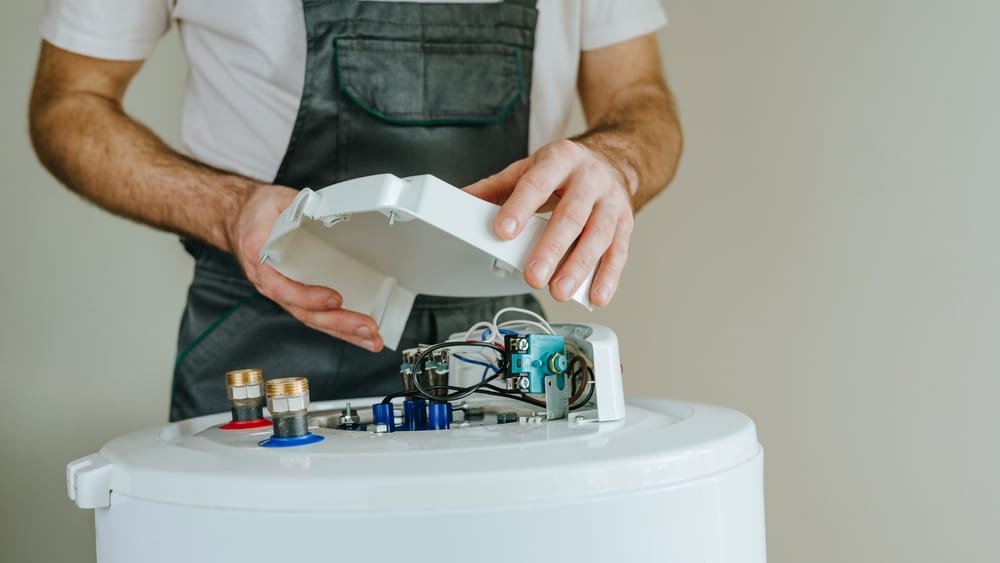
A leak coming from the water heater tank itself is a serious situation. A compromised tank can fail completely and release dozens of gallons of water rapidly. Close the cold-water inlet valve on the water heater (typically on the pipe entering the top of the unit) and shut off the electrical or gas supply to the unit before calling.
A flooded basement caused by a sump pump failure, a broken pipe, or a drain backup is also an emergency: standing water poses a risk to electrical systems and can damage finishing materials very quickly.
A sewage backup through basement floor drains, the shower drain, or the bathtub drain is a sanitary emergency. Avoid all contact with the contaminated water, and stop using every drain-connected appliance in the home (toilets, sinks, dishwasher, washing machine) until the plumber has resolved the issue.
What to Do in the First Few Minutes of a Plumbing Emergency
Regardless of the type of emergency, the first actions follow a common logic.
The first thing to do is shut off the water. If the leak is clearly localized (under a sink, behind a toilet, below the kitchen counter), close the shut-off valve at the affected fixture. If the source is not clearly identifiable or if water continues to flow despite closing the local valve, shut off the main supply.
The second step is to address electrical hazards. If water is accumulating or could reach electrical outlets, plugged-in appliances, or the electrical panel, turn off the affected circuit at the breaker panel before stepping into the water. Water and electricity together pose an immediate, serious risk.
The third step is to call a plumber. Describe the situation clearly: the type of problem, where it is occurring, whether you have successfully shut off the water, and whether active damage is continuing. This allows the plumber to assess the urgency and bring the right materials.
The fourth step is to document the damage. Before you start mopping up or moving belongings, take photos and videos of the situation. This documentation may be essential if you need to file a claim with your home insurance.
Water Leaks: Managing the Situation While You Wait
For a leak at a fitting, connector, or visible pipe, several temporary measures can reduce damage while waiting for the plumber.
A thick cloth or towel wrapped tightly around a leaking pipe can significantly slow the flow, especially if it is a small crack or a failing joint seal. This is not a repair, but it can help as a short-term control measure.
Plumber’s tape (Teflon tape) or emergency pipe repair tape can be applied to some fittings to slow a drip while waiting for the permanent repair. These products are available at hardware stores and can be applied to a wet pipe in many situations.
Place buckets or bins under the leak source to collect water and prevent it from soaking into the floor or walls. A floor that stays wet for even a short time can cause structural damage and mold growth, particularly in warm weather.
If water has reached the floor of a finished room, absorb and vacuum it up as soon as possible and ensure good ventilation to speed drying. Poor ventilation in a damp space accelerates mold growth significantly.
Overflowing Toilet: How to Regain Control
An overflowing toilet is one of the most common and alarming plumbing situations, but it is usually controllable within seconds.
Remove the tank lid immediately and push the flapper down to close the flush valve. This stops water from flowing into the bowl. Then close the shut-off valve at the base of the toilet (behind and below the tank, near the wall).
Do not flush again until you know the cause of the blockage. If a partial clog is the cause, a plunger may resolve it in some cases. Avoid chemical drain cleaners if you have not identified the cause: in cases of sewer backup, these products will not help and can make things worse.
Slow or Blocked Drain: How to Decide if It Can Wait
A slow-running or partially clogged drain is generally not an absolute emergency unless it is completely blocked and prevents you from using essential plumbing fixtures.
For a slightly slow bathroom or kitchen sink drain, avoid pouring aggressive chemical cleaners, which can damage pipes over time. A plunger may help if the blockage is superficial. If a basement floor drain is backing up or overflowing, treat it as an emergency and call immediately.
A clogged kitchen sink drain can usually wait a few hours if you avoid sending more water through it in the meantime. Use another water source or limit water use until the plumber arrives.
Basement Flooding: Intervention Priorities
If your basement is flooding or beginning to flood, act in the following order.
First, do not go into a flooded basement if appliances are plugged in or if water has reached the level of electrical outlets. Turn off the basement circuit at the main panel before entering.
Next, identify the source if possible. If a sump pump failed during heavy rain, check whether it is still powered and whether the float mechanism is functioning. If a pipe broke, shut off the main water supply.
Call an emergency plumber and ask whether you also need to contact a water damage restoration company, because standing water in a basement typically requires industrial drying equipment to prevent mold from taking hold.
Document the situation with photos before any cleanup and contact your insurer as early as possible.
Plumbing Follow-Up After the Emergency: What to Check
An emergency call addresses the immediate cause, but some situations warrant follow-up work to ensure no further failures are imminent. If you experienced a burst pipe, it may be worth asking for an inspection of the adjacent plumbing to assess the general condition of the supply lines. If your basement flooded, having the sump pump and foundation drain inspected before the next rainy season is a sound precaution.
Contact our team for emergency service or to schedule a preventive plumbing inspection. You can also find maintenance tips and articles in our news section.
Frequently Asked Questions About Plumbing Emergencies
Where is the main shut-off valve typically located in a Quebec home?
In most detached houses, it is in the basement or crawlspace, on the main supply line where it enters through the foundation wall. In apartments, it may be in a utility closet or service cabinet. If you cannot locate it, a plumber can help you find it during a routine visit.
Does home insurance cover water damage from a plumbing leak?
Policies vary, but most cover damage caused by a sudden and accidental water leak (a burst pipe, a sudden appliance failure). Damage from a slow, gradual leak or from lack of maintenance is generally excluded. Review your policy terms and always document the situation before beginning any cleanup.
Can I still use the water in the house if a pipe failed but I closed a local shut-off valve? If you were able to isolate the defective section with a local valve, yes, the rest of the house can generally still be used. If you had to shut off the main supply, no fixtures will work until the repair is complete and water is restored.
What should I do if hot water is leaking but not cold water?
Close the cold-water inlet valve on the water heater (on the pipe entering the top of the unit) and turn off the electrical or gas supply to the water heater. You can continue using cold water normally from other fixtures in the meantime.
Do plumbers offer emergency service after hours?
Yes. Most plumbers offer emergency service outside of regular business hours for situations that cannot wait. These calls are typically billed at a higher after-hours rate than standard service calls.